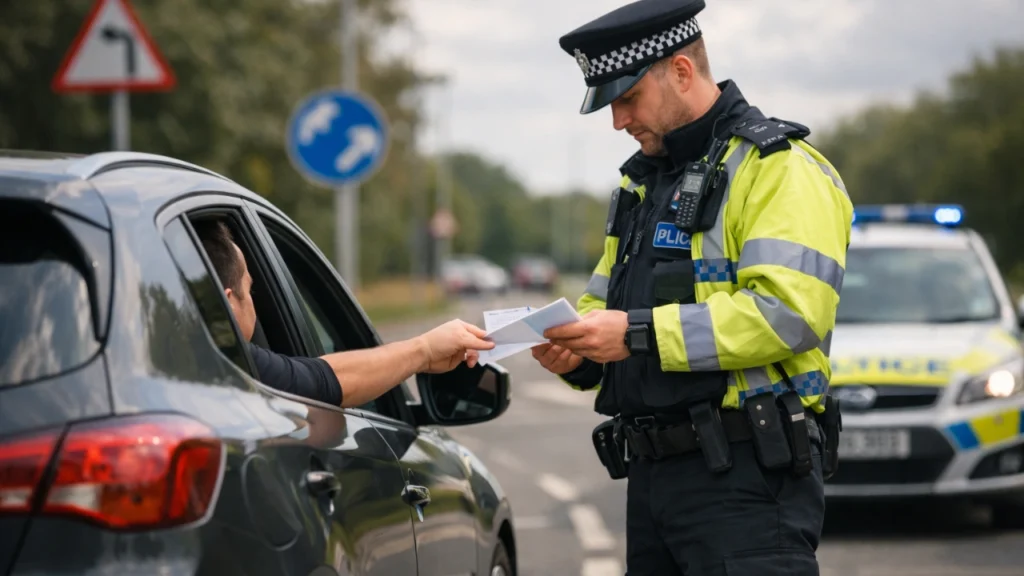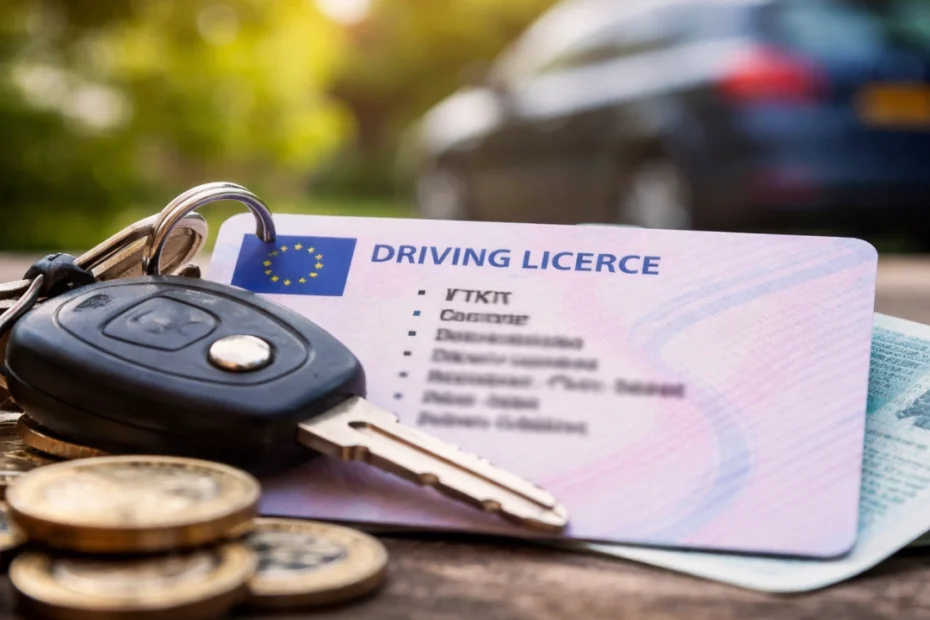
Driving in the UK might feel simple, but in 2026, many drivers are being warned about something unexpected—DVLA licence penalties. If you got your driving licence before 2017 and haven’t checked it in years, this could be important for you.
A lot of people believe that once they get their licence, they don’t need to worry about it again. But that’s not true. The Driver and Vehicle Licensing Agency (DVLA) requires drivers to keep their licence details updated at all times. Ignoring this can lead to fines, sometimes as high as £1,000.
Why This DVLA Alert Matters in 2026
Many drivers who got their licence years ago think everything is still valid. But problems often come from small things like outdated information or missed renewals.

If your licence has old details, you could face penalties even if your driving is perfect. The DVLA focuses on documentation accuracy, not just driving skills.
Common Issues Drivers Are Facing
- Expired photocard
- Old or incorrect address
- Outdated personal details
- Missed renewal deadlines
These may seem like small mistakes, but they can turn into serious legal problems if ignored.
Understanding DVLA Rules in 2026
One big misunderstanding is that there is a “new fine” for old licence holders. That’s not true. The rules have always existed, but now there is more awareness and stricter checking.
Key Rules Every Driver Should Know
- Photocard licences must be renewed every 10 years
- Drivers aged 70+ must renew every 3 years
- Address must always be up to date
- Medical conditions must be reported
If you fail to follow these, you could face a fine of up to £1,000.

How to Avoid a £1,000 DVLA Fine
The good news is that avoiding penalties is very easy if you act on time.
Simple Steps to Stay Safe
Start by checking your driving licence today. Look at the expiry date on the front side of your photocard. Then confirm that your name, address, and other details are correct.
If anything is wrong, update it immediately through the DVLA system. Do not wait for a reminder letter, because sometimes those letters go to old addresses.
Being proactive can save you money, time, and stress.
DVLA Requirements Explained
| Requirement | Who It Applies To | What You Should Check | Possible Risk |
|---|---|---|---|
| Photocard Renewal | Most UK drivers | Renew every 10 years | Fine up to £1,000 |
| Address Update | Anyone who moved | Correct home address | Fine up to £1,000 |
| Over-70 Renewal | Drivers aged 70+ | Renew every 3 years | Licence becomes invalid |
| Medical Reporting | Drivers with health issues | Inform DVLA | Penalty or legal action |
| Personal Details | Name or info changed | Match official records | Identity issues |
This table makes it clear that most problems are simple paperwork issues—not driving mistakes.
What This Means for Drivers in 2026
This DVLA alert is not about punishing drivers. It is more like a warning to check your documents.
Pre-2017 licence holders are more likely to have outdated information because they haven’t reviewed their licence in years. That’s why they are being talked about more in 2026.
If you recently moved, changed your name, or turned 70, it becomes even more important to update your details.
Think of it like regular maintenance for your car. Just like your vehicle needs servicing, your driving licence also needs checking.
Conclusion
The DVLA penalty alert 2026 is a strong reminder for all drivers, especially those with older licences, to review their details carefully. There is no new law targeting old licence holders, but failing to keep your information updated can still lead to serious penalties.
Many drivers ignore small details like expired photocards or outdated addresses, thinking they are not important. However, these small mistakes can result in fines up to £1,000.
The safest approach is to regularly check your licence, update your details, and stay aware of renewal timelines. A few minutes of checking today can save you from legal trouble and financial loss in the future. Staying compliant is simple, but ignoring it can be costly.

UK Workweek Outlook 2027 – Bank Holidays May Bring More Three-Day Weeks for Workers

HMRC Tax Policy Alert 2026 – Some Households Could Face Effective Rates Up to 71% Under New Rules

UK Bank Holiday Calendar 2027 – Revised Schedule May Bring More Long Weekend Breaks

DWP Payment Error Review 2026 – £850 Million in Benefits Issued Incorrectly Sparks Concern

UK Public Demand Rising 2026 – Calls Grow for Additional Bank Holiday Weekends Nationwide