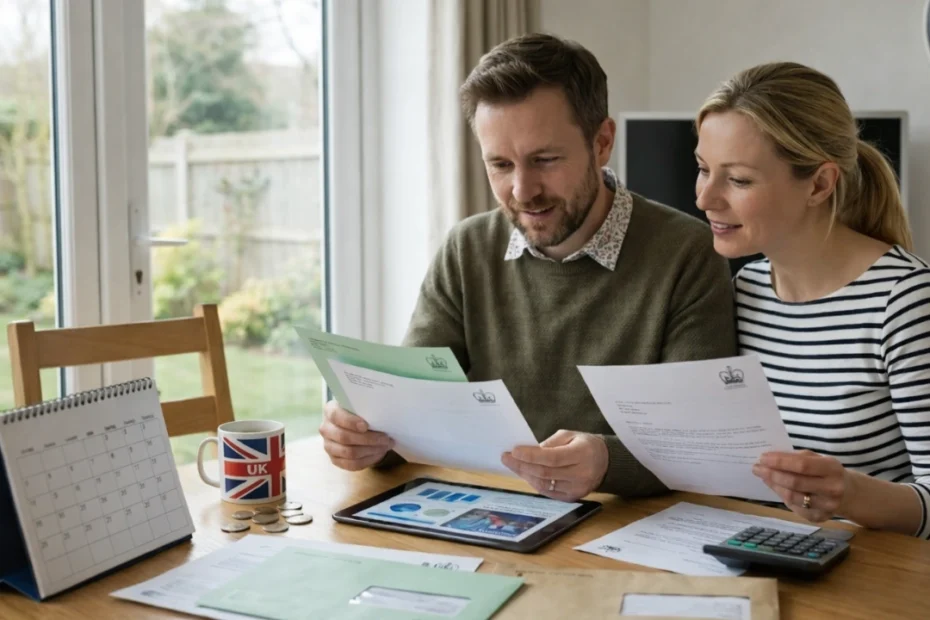
The new tax year in the UK has officially started from April 6, 2026, and with it comes some important updates that could affect your savings. If you keep money in a bank account and earn interest, this update from HM Revenue and Customs (HMRC) is something you should not ignore.
Many people think savings interest is always “free money,” but that’s not always true. Depending on how much you earn and how much interest your savings generate, you may have to pay tax. The Personal Savings Allowance (PSA) is the key rule that decides how much you can earn tax-free.
Let’s break everything down in a simple and easy way so you clearly understand what’s changing and how it affects you.

What Is the Personal Savings Allowance?
The Personal Savings Allowance (PSA) is the amount of interest you can earn on your savings without paying tax.
This applies to savings kept outside tax-free accounts like ISAs. Once you cross this limit, you may have to pay tax on the extra interest.
HMRC Savings Allowance 2026/27
For the 2026–27 tax year, the allowance remains unchanged. That means there is no increase despite rising inflation, which actually reduces its real value.
Allowance Based on Income
| Income Type | Annual Income | Tax-Free Interest |
|---|---|---|
| Basic-rate taxpayers | Up to £50,270 | £1,000 |
| Higher-rate taxpayers | £50,270+ | £500 |
| Additional-rate taxpayers | £125,140+ | £0 |
This means your tax-free savings depend directly on your income level.

How Much Can You Save Without Paying Tax?
Your savings limit depends on interest rates. Let’s look at simple examples:
For Basic-Rate Taxpayers (£1,000 Allowance)
| Interest Rate | Savings Limit (Approx.) |
|---|---|
| 3% | £33,333 |
| 4% | £25,000 |
| 5% | £20,000 |
For Higher-Rate Taxpayers (£500 Allowance)
| Interest Rate | Savings Limit (Approx.) |
|---|---|
| 3% | £16,666 |
| 4% | £12,500 |
| 5% | £10,000 |
If your savings earn more than these limits, the extra interest may be taxed.
Extra Benefit: Starting Rate for Savings
There’s also another benefit called the Starting Rate for Savings, which can help low earners.
- If your income is below £17,570
- You may earn up to £5,000 interest tax-free
This is separate from the Personal Savings Allowance and is useful for:
- Pensioners
- Part-time workers
- Low-income earners
How HMRC Tracks Your Savings
Many people don’t realise this, but banks automatically report your interest earnings to HM Revenue and Customs.
So even if you don’t tell them, they already know.
If you cross your limit, tax is collected through:
- Your tax code adjustment
- A Self Assessment tax return
This means there’s no hiding savings interest—everything is tracked.
Why You Should Check Your Savings Now
Interest rates are still relatively high compared to past years. Because of this, many people may accidentally cross their tax-free limit without noticing.
You should review your savings if:
- You have a large balance
- You use fixed deposits or savings plans
- You earn interest from multiple accounts
Smart Tips to Avoid Extra Tax:
- Move money into a Cash ISA
- Split savings between partners
- Track yearly interest earnings
Key HMRC Savings Limits 2026/27
| Category | Amount | Applies To |
|---|---|---|
| Personal Savings Allowance | £1,000 | Basic-rate taxpayers |
| Personal Savings Allowance | £500 | Higher-rate taxpayers |
| Personal Savings Allowance | £0 | Additional-rate taxpayers |
| Starting Rate for Savings | £5,000 | Low-income earners |
| Tax Year Period | April 6, 2026 – April 5, 2027 | All taxpayers |
Conclusion
The HMRC Savings Tax Update 2026 may look simple at first, but it can have a real impact on your money. While the Personal Savings Allowance remains the same, rising interest rates mean more people could cross their tax-free limits without even realizing it.
Because banks now report everything directly to HMRC, it’s very important to stay aware of how much interest you are earning. A quick check of your savings today can help you avoid unexpected tax bills later. Smart planning—like using ISAs or spreading savings—can make a big difference in protecting your money.

UK Workweek Outlook 2027 – Bank Holidays May Bring More Three-Day Weeks for Workers

HMRC Tax Policy Alert 2026 – Some Households Could Face Effective Rates Up to 71% Under New Rules
DVLA Penalty Alert 2026 – Pre-2017 Licence Holders Could Face Fines Up to £1,000 Under Updated Rules

UK Bank Holiday Calendar 2027 – Revised Schedule May Bring More Long Weekend Breaks

DWP Payment Error Review 2026 – £850 Million in Benefits Issued Incorrectly Sparks Concern