In today’s digital world, scams are becoming smarter and more dangerous. Recently, the Social Security Administration (SSA) has issued a serious warning for millions of Americans. If you or someone in your family receives Social Security benefits, this update is very important for you.
Many people have started getting emails that look official—but they are actually fake. These scams are targeting especially older adults and retirees. In this article, we will explain everything in simple language so you can stay safe and protect your money and identity.
What Is the Latest Social Security Warning?
The SSA, along with the Social Security Office of Inspector General, has reported a big increase in scam emails.

SSI 2026 – Payment Dates, Amounts, Eligibility Rules & Latest Updates You Must Know
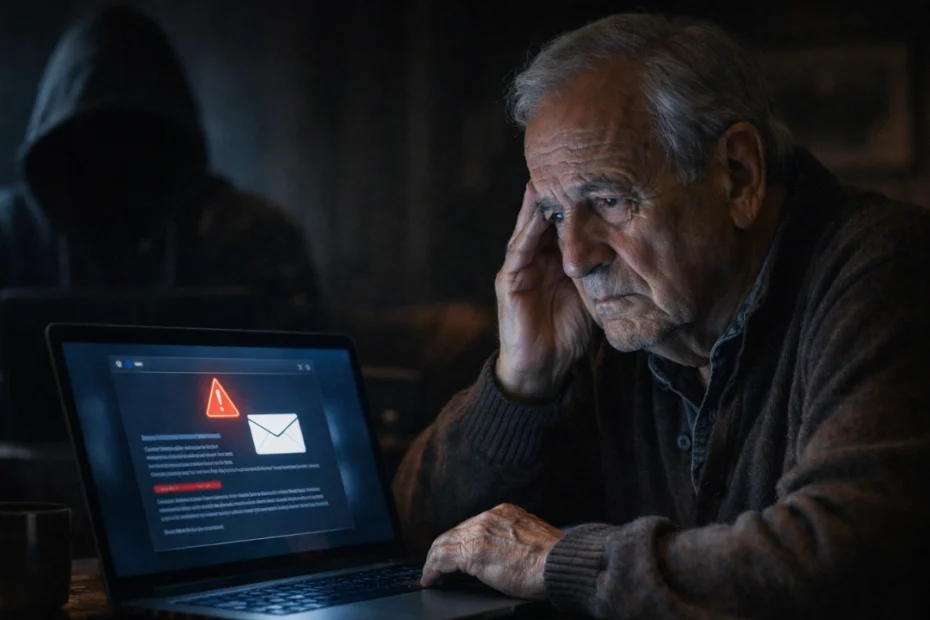
These emails pretend to be from Social Security and try to trick people into clicking links or downloading files. But in reality, they are designed to steal your personal and financial information.
Officials have clearly said:
- These emails are not real
- They are sent by cyber criminals
- You should delete them immediately
How These Fake Emails Trick You
Scammers are getting very clever. Their emails look almost exactly like real ones.
Common Tricks Used in the Scam
- Use of official logos and colours
- Professional-looking language
- Fake subject lines like: “Access Your Benefits Now”
- Attachments labeled as “official document”
But once you click, things go wrong.

What Happens After You Click?
| Action You Take | What Actually Happens |
|---|---|
| Click on link | You go to a fake website |
| Download file | Malware gets installed |
| Enter details | Your identity is stolen |
| Ignore warning | Financial loss risk increases |
This means scammers can steal:
- Your Social Security number
- Your bank details
- Your passwords
Just one click can cause serious damage.
How to Identify a Fake Social Security Email
It is important to know the warning signs.
Red Flags You Should Never Ignore
- Email does NOT end in “.gov”
- Message says “Act now” or “Urgent action required”
- It asks you to download files
- It asks for personal details
The SSA clearly says they never ask for sensitive information through email.

Safe Way to Check Your Social Security Account
If you want to check your benefits, always go directly to the official website.
- Type this manually: ssa.gov/myaccount
- Never click unknown links from emails
This is the only safe way to access your account.
What To Do If You Clicked the Scam
If you already clicked on a suspicious email, don’t panic. Act quickly.
Steps You Should Take Immediately
- Stop all interaction with the email
- Call your bank and block your cards
- Change your passwords
- Report the scam to:
- SSA Inspector General
- Federal Trade Commission (FTC)
- Internet Crime Complaint Center (IC3)
If money is stolen, also contact your local police.
Why Retirees Are Easy Targets
Scammers often target older people because:
- They trust official-looking messages
- They may not check bank activity regularly
- They may not be aware of digital scams
This is why awareness is very important.
Conclusion
The latest warning from the Social Security Administration is a reminder that online scams are becoming more advanced every day. These fake emails may look real, but they are designed to steal your identity and money.
The best way to stay safe is to stay alert, avoid clicking unknown links, and never share personal information through email. Always visit official websites directly and report any suspicious activity immediately.
By staying informed and cautious, you can protect yourself and your loved ones from falling into these traps.
FAQs
Does Social Security send emails with attachments?
No, the SSA does not send emails asking you to download important documents or attachments.
How can I check if an email is real?
Check if the sender ends with “.gov” and avoid emails asking for urgent action or personal details.
What should I do if I shared my information?
mmediately contact your bank, change passwords, and report the issue to official authorities.
Social Security 2026 – Claim at 62 or 70? See the $2,000 Monthly Difference

April 2026 Social Security Boost – $4,018 Double Payments for SSA, SSI & SSDI Recipients

April 2026 Social Security Retroactive Payments – $6,700 SSA, SSI & SSDI Update
How DOGE Cuts Continue to Haunt Social Security Services in 2026

Three New Social Security Payments Confirmed for April 2026 – Full Schedule & Maximum Benefits Explained