
The State Pension Age Debate 2026 is becoming one of the most talked-about issues right now. As the pension age starts increasing from 66 to 67, many people are feeling confused and worried. For someone who has worked all their life, even a one-year delay can feel like a big change.
It is not just about numbers—it is about real people, real struggles, and real plans getting pushed forward.
At first glance, this change may look simple and logical. People are living longer, so the government needs to support pensions for more years.

But when you look closely, the situation becomes much more personal. For many people close to retirement, this change creates uncertainty, stress, and even financial pressure.
What Is Changing in 2026?
The government has started increasing the state pension age from 66 to 67. This change is happening slowly over time, but its impact is already being felt.
Why Is the Pension Age Increasing?
The main reason behind this decision is simple: people are living longer. This means the government has to pay pensions for a longer period. To manage costs, the pension age is being increased.
Quick Overview of the Pension Age Change
| Key Factor | Details |
|---|---|
| Current Pension Age | 66 years |
| New Pension Age | 67 years |
| Reason for Change | People living longer |
| Future Plan | Likely increase to 68 |
| Affected Group | People nearing retirement |
The Real Impact on People
Not Everyone Can Work Longer
On paper, working one extra year may sound easy. But in real life, it is not the same for everyone. Many people in their 60s face health problems or work in physically demanding jobs. For them, continuing work is not a choice—it is a struggle.
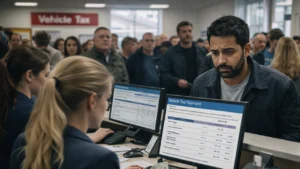
The Income Gap Problem
This extra year creates a financial gap. People who planned to retire at 66 now have to wait longer, but they may not have enough savings to support themselves during this period. This can lead to stress and uncertainty.
Unequal Impact Across Society
One of the biggest issues in the State Pension Age Debate 2026 is inequality.
Health and Life Expectancy Differences
Not everyone lives the same number of healthy years. People in richer areas often live longer and healthier lives compared to those in poorer areas.
For example:

UK Workweek Outlook 2027 – Bank Holidays May Bring More Three-Day Weeks for Workers
- Someone in a wealthy area may enjoy many years of pension life
- Someone in a poorer area may receive pension for fewer years
This means a single pension age does not treat everyone equally.
Future Pension Age: More Increases Ahead?
The pension age is expected to rise even more in the future.
What Younger Generations Should Expect
- Pension age may reach 68 by the 2040s
- Some experts believe it could go up to 70
This creates uncertainty for young people who are planning their future. It becomes harder to decide how much to save and when to retire.
Trust Issues in the Pension System
As rules keep changing, people are starting to lose trust in the system.
Why Trust Is Decreasing
- Retirement plans keep shifting
- People are unsure about future benefits
- Long-term financial planning becomes difficult
When people do not trust the system, they may stop depending on it completely, which creates more problems.
Possible Solutions for a Fair System
Flexible Pension Age
Instead of a fixed age for everyone, a flexible pension system could help. People in poor health or physically demanding jobs could retire earlier.
Partial or Staggered Support
Another idea is to provide partial pensions or financial support before full retirement. This can help people manage the gap between working and retiring.
Why This Debate Matters
The State Pension Age Debate 2026 is not just about saving money. It is about fairness. It is about making sure that everyone, no matter their job or health, gets a fair chance to enjoy retirement.
Conclusion
The increase in pension age to 67 may look like a small policy change, but its impact is huge. For many people, it means working longer, facing financial uncertainty, and adjusting life plans at the last moment. While the government’s reason—longer life expectancy—is understandable, the reality is that not everyone benefits equally from this change.
The biggest challenge now is finding a balance between economic needs and human realities. A fair pension system should consider different lifestyles, health conditions, and job types. If changes continue without proper support, trust in the system may slowly disappear. The future of retirement should not feel uncertain—it should feel secure and fair for everyone.
HMRC Tax Policy Alert 2026 – Some Households Could Face Effective Rates Up to 71% Under New Rules
DVLA Penalty Alert 2026 – Pre-2017 Licence Holders Could Face Fines Up to £1,000 Under Updated Rules

UK Bank Holiday Calendar 2027 – Revised Schedule May Bring More Long Weekend Breaks
DWP Payment Error Review 2026 – £850 Million in Benefits Issued Incorrectly Sparks Concern

UK Public Demand Rising 2026 – Calls Grow for Additional Bank Holiday Weekends Nationwide